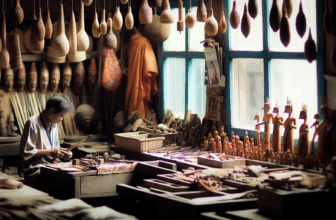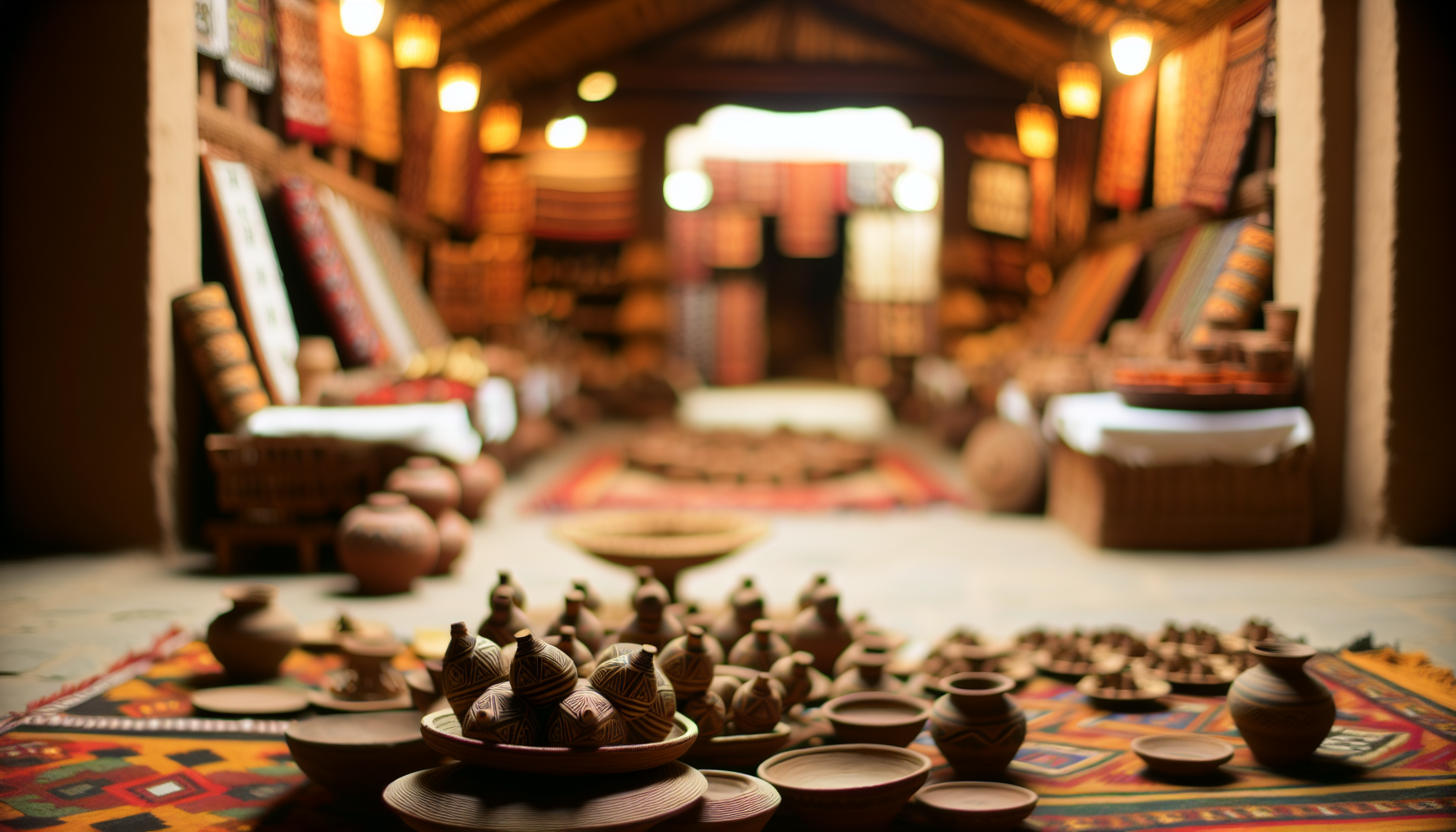
Handcrafted items represent a unique blend of artistry and utility, capturing the essence of tradition and personal expression. From textiles to pottery, the world of handicrafts not only showcases skilled artisans but also reflects cultural heritage. This article delves into the significance of handcrafted items and the enduring appeal of artisan craftsmanship.
Understanding Handicrafts and Artisanship
Handicrafts are not merely products; they are embodiments of culture, identity, and tradition. Each piece tells a story, encapsulating the skills, techniques, and experiences of the artisans who create them. To understand the multifaceted nature of handicrafts, it’s essential to explore their definition and significance, along with the dynamic role artisans play in their creation.
Handcrafted items are typically defined as products made using traditional methods, without the employment of mass production techniques. They span a range of forms, including textiles, pottery, woodworking, and more. Textiles, for instance, can encompass everything from finely woven fabrics to intricately embroidered garments. In many cultures, the traditional weaving techniques and patterns used in textile creation hold deep significance, often symbolizing local beliefs, histories, and social structures.
Pottery is another prominent category of handicraft, tracing its origins back to ancient civilizations. Early humans crafted clay vessels for practical purposes—storing food and water, and later, for ceremonial use. Today, pottery remains a vital form of artistic expression. Techniques such as wheel throwing or hand-building not only create functional items but also embody the artisan’s unique style and cultural narratives. From the vibrant glazes of Mexican Talavera pottery to the minimalist elegance of Japanese ceramics, pottery continues to reflect regional characteristics and shared heritage.
Woodworking, a craft imbued with history, is an intricate process that transforms raw timber into art. Skilled artisans can create furniture, sculptures, and everyday items that are both functional and aesthetically pleasing. Techniques such as joinery and carving are passed down through generations, preserving ancient skills while allowing artisans to innovate within their craft. Each carved detail or polished finish narrates the artisan’s connection to their material and culture, showcasing a deep respect for the sources of their craft.
Artisans play a pivotal role in the world of handicrafts. They are not simply creators; they are custodians of cultural heritage. The process of making craft items demands years of training and practice, often beginning in childhood. Mentorship systems within communities ensure that traditional skills and knowledge are passed down, sustaining the cultural narratives tied to these crafts. Artisans draw from their environments for inspiration, often using materials that are local and sustainable, thereby strengthening their bond with their land.
Historically, handicrafts have been intertwined with the development of societies. In ancient civilizations, such as the Egyptian, Greek, and Indus Valley cultures, skilled artisans were highly valued. They held social status and contributed significantly to trade and economy. As societies evolved, the Industrial Revolution shifted the landscape, favoring mass production and leading to a decline in traditional handicrafts. However, the late 20th century marked a renewed interest in artisan-produced goods. This revival ignited a dialogue about the implications of mass consumption, the loss of skilled craftsmanship, and the importance of preserving cultural identities.
In recent times, there has been a growing appreciation for the value of craftsmanship. As consumers seek alternatives to mass-produced goods, handcrafted items have gained cultural cachet. There is a unique charm and intimacy found in items made by hand; they possess character and history that factory-made objects often lack. This shift also emphasizes the importance of quality over quantity, as handcrafted goods are frequently made with careful attention to detail, resulting in higher durability and aesthetics.
The process is also a sustainable one, with many artisans embracing eco-friendly practices. Handicrafts often utilize locally sourced and natural materials, minimizing ecological footprints. For instance, cotton or wool used in textiles may be organic, free from harmful chemicals, and dyed using natural methods. Similarly, woodworking may involve sustainably harvested timber, ensuring that ecosystems are preserved for future generations. This focus on sustainability not only benefits the environment but also supports local economies by fostering the development of niche markets.
Moreover, contemporary consumers increasingly value authenticity. As we navigate a fast-paced, digitalized world, the intimate relationship between the artisan and their craft provides a refreshing counterpoint. Consumers now gravitate toward items that resonate with stories and personal connections. The emergence of platforms promoting artisan goods highlights this trend, bridging artisans and shoppers worldwide and emphasizing ethical production practices.
The rise of social media has also played a crucial role in promoting handicrafts. Artisans can showcase their work and connect with a broader audience, allowing them to share their skills and heritage. This visibility enhances the community of artisanship, bringing together diverse narratives and techniques while creating a sense of belonging. Artisans are increasingly leveraging these digital spaces to educate consumers about their crafts, sharing the processes and stories behind each creation, thus inspiring a deeper appreciation for handmade goods.
Handcrafted goods have become more than just items; they are vessels of culture and identity, representing the craftsmanship of dedicated artisans who pour their heart and soul into each piece. The significance of handicrafts extends beyond their functionality, capturing the essence of cultural heritage and preserving traditions that have been valued through generations. As the world continues to evolve, the commitment to these time-honored crafts stands as a testament to the enduring human spirit and our innate desire for connection, creativity, and authenticity. Each handcrafted item, whether it’s a woven basket or a ceramic bowl, remains a tangible link to our shared past while guiding us toward a more sustainable and conscious future.
Cultural Impact and Sustainability in Handcrafted Goods
In a world increasingly dominated by mass production and consumerism, the cultural impact of handicrafts remains profound, providing a vital connection to our roots and shared identities. Handcrafted goods are not mere commodities but vessels carrying the rich traditions and stories of communities. They embody the cultural heritage, craftsmanship, and creativity rooted deeply within the artisan’s identity. Handicrafts serve as a bridge between the past and the present, allowing contemporary societies not only to honor their history but also to adapt, evolve, and innovate within the realm of art and daily life.
As the globalization of culture accelerates, many communities face challenges in preserving their unique character amidst homogenizing influences. Handicrafts play a crucial role in this conversation. Each piece—whether it’s a handwoven textile, a delicately carved wooden sculpture, or a uniquely designed piece of pottery—carries within it the fingerprints of its maker and the traditions that have been passed down through generations. Such intricacies reflect not only individual artistry but also collective cultural narratives, shaping identity and fostering a sense of belonging.
For instance, in regions where artisan crafts thrive, local communities often hold yearly festivals to celebrate their handicrafts. These events serve as a platform for artisans to share their skills and stories with broader audiences, encouraging a deeper appreciation for the cultural heritage encapsulated in each item. While contemporary society often dictates swift changes, the endurance of handicraft traditions underscores the importance of cultural memory, elevating the status of artisanal work as essential to human expression.
In recent years, as consumers become more conscious of their purchasing habits, the demand for authentic, handmade goods has surged. This shift reflects a deeper yearning for meaning and authenticity in everyday life—an antidote to the disposability of mass-produced items. Contemporary consumers are increasingly seeking unique, handmade products that resonate with their values and identity, which has prompted a resurgence in interest in traditional crafts. The artistry of handicrafts speaks to an emotional connection that machine-made products often lack, fostering a sense of stewardship among consumers who understand the story behind each piece.
Moreover, sustainability has emerged as a significant aspect of the handicraft movement, highlighting the need for eco-friendly practices and the use of natural materials. Artisans today are becoming more aware of the ecological impact of their work, integrating sustainable practices into their craftsmanship. Many now source their materials locally, prioritizing renewable resources and organic substances devoid of harmful chemicals. This shift is not just a trend, but a necessary response to the pressing environmental challenges our world faces.
The integration of sustainability into handicrafts fosters an ethical production model that resonates well with contemporary consumers. For example, artisans might use recycled materials, such as repurposed wood or fabric remnants, in their creations, effectively minimizing waste while telling poignant stories of renewal and creativity. The choice of materials extends to natural dyes and eco-friendly finishes that not only enhance the beauty of the piece but also align with sustainable practices. This approach bridges the gap between art and ecology, providing a responsibility to both craft and community.
Furthermore, the modern artisan’s commitment to sustainability often extends to fair trade practices that ensure equitable compensation for their labor. Many artisans are embracing cooperative models that empower them as both creators and beneficiaries of their work, promoting not only sustainability in terms of materials but also in socio-economic terms for their communities. These artisans advocate for fair wages, safe working conditions, and community support systems that lift traditional craft practices and promote their preservation for future generations.
As the market for handcrafted goods evolves, new trends emerge that further emphasize these values. E-commerce platforms catering to handmade products have proliferated, allowing artisans to reach global audiences and sell their work directly to consumers. This direct relationship empowers artisans, granting them control over their pricing and storytelling, while also enriching the consumer experience. By purchasing directly from makers, consumers not only support local economies but also contribute to the preservation of craft traditions.
The rise of social media has also transformed the handicraft landscape. Platforms like Instagram and Pinterest serve as beautifully curated showcases, where artisans can demonstrate their processes, tell their stories, and engage with a wider audience. These online spaces facilitate a cultural exchange, allowing artisans to connect with other creatives globally while also sharing their heritage. This sense of community fosters collaborations that blend traditional techniques with contemporary aesthetics, leading to innovative creations that honor the past while embracing modernity.
Furthermore, the growing appreciation for artisanal goods has spurred educational initiatives aimed at preserving traditional techniques. Workshops and skill-sharing sessions emerge as popular formats that connect seasoned artisans with learners, nurturing a new generation of craftspeople. These initiatives not only act as a safeguard against the decline of traditional crafts but also elevate the cultural significance of these practices, encouraging younger individuals to find pride in their heritage.
In summation, the cultural impact of handicrafts today is both multifaceted and profound, encapsulating the essence of tradition while advocating for sustainability and responsible consumption. By preserving craftsmanship, promoting identity, and paving the way for ethical practices, artisans are not merely creating products; they are nurturing a cultural renaissance rooted in community values and sustainable living. The evolving landscape of handicrafts reflects a society moving toward conscious choices, where the hands that create are valued as much as the beauty they render, ensuring that the art of handcrafted creations continues to thrive for generations to come.
Conclusions
In conclusion, hand-crafted creations play a vital role in preserving cultural identities while promoting sustainable practices. They reflect the dedication and skill of artisans who pour their heart and soul into each piece. Embracing handmade products enriches our lives with authenticity and connection, making these crafts not just items, but stories waiting to be told.